


原油交易平台
TMGM 原油交易平台提供布伦特原油(XBRUSD)与 WTI 原油(XTIUSD)差价合约(CFD)交易,让交易者无需持有实体原油,也能参与国际油价波动。通过 MT4 与 MT5,交易者可根据市场方向进行多空双向交易,并通过止损设置与仓位管理控制风险。
开设账户
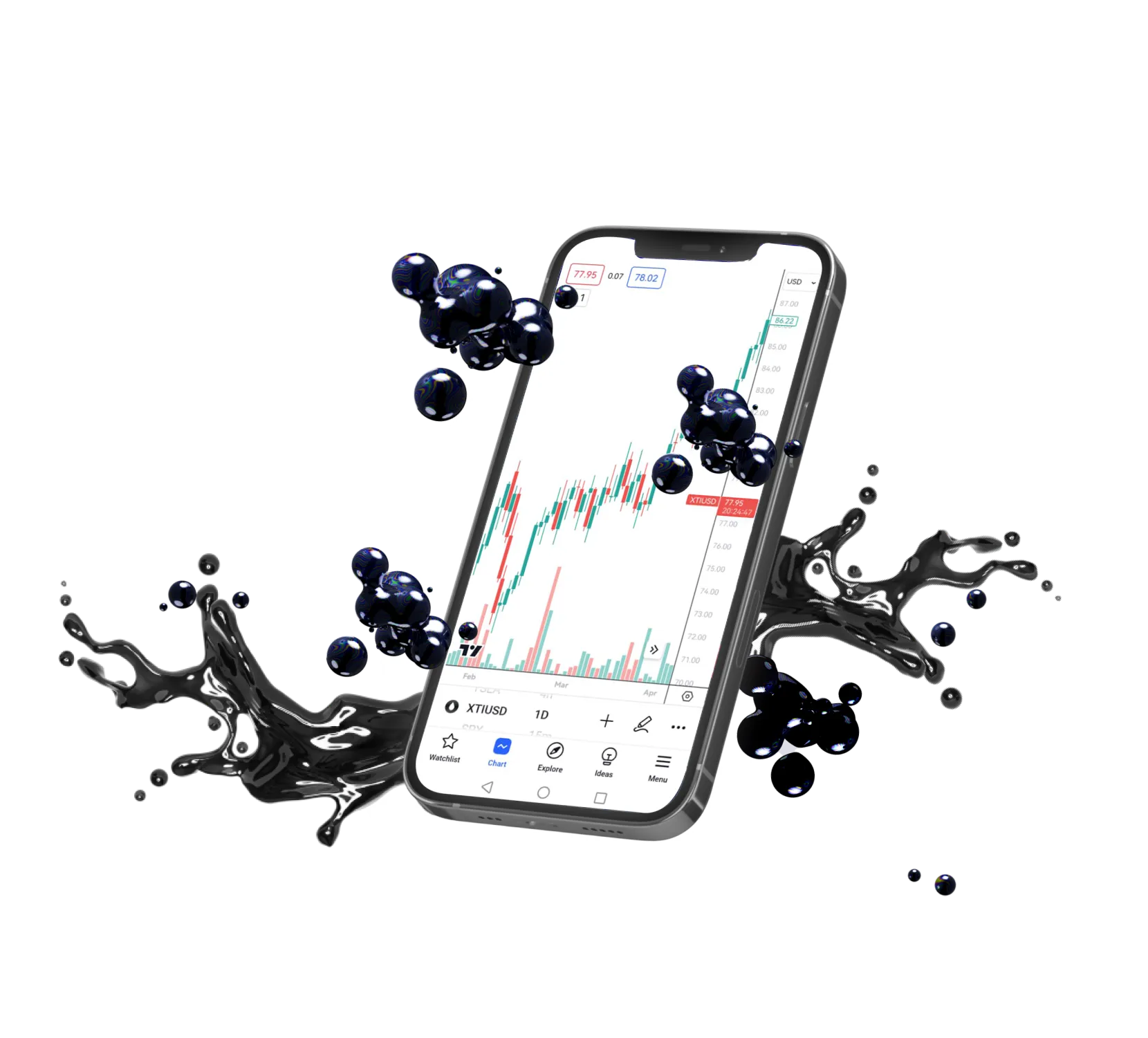

为什么透过TMGM交易原油CFD?
原油是全球交易最活跃的大宗商品之一。通过 TMGM 交易原油差价合约(CFD),交易者无需持有实体原油,也能参与布伦特原油(XBRUSD)与 WTI 原油(XTIUSD)的价格波动。
TMGM 为原油交易者提供具竞争力的交易条件与平台支持,包括:
具竞争力的点差与快速执行。

高达1:200 的灵活杠杆。

透过MT4和MT5交易原油CFD。
具竞争力的点差与快速执行。
高达1:200 的灵活杠杆。
透过MT4和MT5交易原油CFD。
在TMGM交易布伦特原油和WTI原油
交易者可通过一个账户交易两种主要基准原油,享有低至 0.2 点的点差、无重新报价的交易体验,以及受监管的执行环境。

如何在TMGM交易原油CFD?
通过 TMGM 交易原油差价合约时,交易者无需持有实体原油,也无需处理期货交割,而是根据布伦特原油与 WTI 原油的价格变化进行交易。
交易者可根据市场方向选择做多或做空。当判断油价可能上涨时,可建立买入仓位;当判断油价可能下跌时,可建立卖出仓位。
TMGM 支持交易者通过 MT4 与 MT5 平台交易原油差价合约,并提供高达 1:200 的灵活杠杆。杠杆可以提升资金运用效率,但也会同步放大潜在亏损,因此交易者应结合止损、仓位规模和保证金水平管理风险。
为什么选择TMGM交易原油CFD

交易布伦特原油与 WTI 原油
参与全球主要原油市场,灵活把握国际油价波动。

具竞争力点差
通过 TMGM 聚合引擎,交易者可享有具竞争力的原油交易点差。

整合多家一级流动性提供商
TMGM 整合多家一级流动性提供商,有助于提供更具竞争力的报价与稳定的订单执行。

NY4 低延迟交易环境
通过TMGM战略性部署的NY4服务器享受闪电般快速的执行。

高达1:200杠杆
以高达1:200的杠杆放大您的市场敞口。

支援多种交易策略
无论您是剥头皮交易者、新闻交易者还是EA交易者,TMGM都为所有策略提供完美的交易环境。

无重新报价
凭借深度流动性和快速执行速度,体验零重新报价。

值得信赖的受监管经纪商
TMGM 持有 ASIC、VFSC、FSA 和 FSC 等监管牌照,为交易者提供受监管的交易环境。
探索更多原油交易内容

What is Oil Trading: How It Works, Ways to Trade
Oil trading is the buying and selling of crude oil and oil-linked instruments to profit from price movements. Traders trade the oil market through derivatives or exchange-traded products, rather than taking physical delivery of barrels. Brent Crude and West Texas Intermediate (WTI) are the 2 primary benchmarks used to price oil globally.
Oil trading works by taking a position based on price direction. Traders go long if they expect oil prices to rise and go short if they expect prices to fall. On most CFD platforms, oil prices are derived from the front-month futures contract for the relevant benchmark. Profit or loss is determined by the difference between the entry and exit price.
You can trade oil through 5 main instruments: oil CFDs, oil futures, oil options, oil ETFs, and oil stocks. Each product differs in contract structure, margin requirements, and directness of oil price exposure. Many retail traders start with oil CFDs because they provide direct exposure to benchmark prices, allow two-way trading, and avoid the physical delivery obligations and rollover costs associated with futures contracts.
继续阅读
2026-07-22 03:54:24
How to Trade Crude Oil (Brent and WTI)
A seven-step guide to trading Brent and WTI crude oil without owning physical barrels. It covers oil price drivers, the differences between the two benchmarks, platform and account setup, long and short order execution, position sizing, stop-losses and take-profits. It also explains how to manage inventory reports, OPEC+ announcements, margin, contract expiry and rollover before closing and reviewing a trade.
继续阅读
2026-09-14 10:20:29

Oil Trading Hours: Best Time to Trade Crude Oil (Brent and WTI)
Oil (Brent and WTI) trades 23 hours a day, five days a week, from 23:00 UTC (18:00 EST) Sunday to 22:00 UTC (17:00 EST) Friday across four regional sessions: Sydney, Tokyo, London, and New York.
The best time to trade oil is during the London-New York overlap (13:00 to 17:00 UTC), where liquidity peaks, spreads are tightest, and price movements are most consistent. The London session on its own is the second-best window, followed by the New York session and the Asian session.
Across the trading week, Wednesday and Thursday produce the highest and most consistent activity for oil traders. Wednesday is anchored by the EIA Weekly Petroleum Status Report at 15:30 UTC. Tuesday carries more weight than it does for most instruments because of the API inventory report at 21:30 UTC. Monday is the lowest-volume day, and Friday activity depends on whether NFP or the Baker Hughes rig count is scheduled.
继续阅读
2026-07-22 03:55:22
原油交易常见问题 – 解答您的问题
原油CFD是什么?
+
原油CFD如何运作?
+
使用差价合约交易原油有哪些优势?
+
最常影响原油价格的因素有哪些?
+
WTI 原油和布伦特原油有什么区别?
+













本网站提供的信息仅具有一般性质,不构成个人财务建议。在根据本网站上的任何信息采取行动之前,您应结合自身的目标、财务状况和需求,考虑该信息是否适合您。投资差价合约(CFD)和外汇保证金合约具有重大风险,并不适合所有投资者。您的亏损可能超过初始入金。您并不拥有,也不享有任何相关标的资产的权益。我们建议您寻求独立意见,并在交易前确保您已充分了解所涉及的风险。在购买本网站列出的任何产品之前,务必阅读并考虑相关披露文件。本网站提供的信息和广告并非面向任何在其所在国家或司法管辖区使用此类信息会违反当地法律法规的人士。本网站提供的产品和服务不面向美国、马来西亚和泰国居民。
TMGM 是由多家金融监管机构授权。
TMGM 集团下的 Trademax Australia Limited 公司(交易名称为TMGM),是由澳大利亚证券和投资委员(ASIC)监管的金融服务公司,金融服务牌照号为 436416,公司地址为 Level 28, One International Tower, 100 Barangaroo Avenue, 2000 Sydney, NSW Australia.
TMGM 集团下的 Trademax Global Limited公司(交易名称为TMGM),是由瓦努阿图金融服务委员会(VFSC)监管的金融服务公司,金融牌照号为 40356,注册地址为 1276, Kumul Highway, Port Vila, Vanuatu, Republic of Vanuatu.
Trademax Global Markets (SE) Limited,以 TMGM 名义经营,获塞舌尔金融服务管理局(FSA)授权并监管,许可证号为 SD224。公司注册地址为塞舌尔马埃岛 Providence Estate ABIS 中心13号办公室。
TMGM集团下的Trademax Global Markets (International) Pty Ltd公司(交易名称为TMGM),是由毛里求斯金融服务委员会监管的金融服务公司. 牌照号为 GB22201012,注册地址为33, Edith Cavell Street C/o IQ EQ Fund Services (Mauritius) Ltd Port Louis, 11324 Mauritius.
版权所有 © TMGM。保留所有权利